

Glycolic Acid FAQ
If you are scouring the internet for answers to your questions about glycolic facial peels, you have come to the right place. Keep reading to find out the answers to many frequently asked questions about glycolic acid.
Q: How many uses will I get out of Skin Rx Clinic glycolic acid products?
A: This answer will vary based on a few different factors including how often you use the products and what amount is used each time. If you use Skin Rx Clinic glycolic acid products as suggested, a standard 8 oz. supply of glycolic acid should last for about six months, or 25 – 30 peels.
Q: Can I use glycolic peels on parts of my body other than my face?
A: Yes. Skin Rx Clinic’s professional strength glycolic products are safe for other body parts such as the neck, knees and elbows, legs, hands, feet, and chest area. The best glycolic acid to start with is a 30% glycolic treatment if you plan to use it on other parts of your body.
Q: Do you recommend cleansing my face with regular soap before applying the glycolic acid exfoliating products?
A: No. Because soap is an alkali, it will almost certainly neutralize any effects of the glycolic treatment. It is best to use a mild facial cleanser such as Skin Rx Clinic’s Arnica Facial Wash. This will ensure you start with a fresh, clean surface with no soap residue left on the skin so that the Glycolic Facial Polish can provide optimal results.
Q: What is the reason that I should alternate between facial exfoliating moisturizers & non-exfoliating moisturizers?
A: Your facial skin is more sensitive than other parts of your body and therefore needs time to rest and renew its skin cells between glycolic acid exfoliation treatments. Skin Rx Clinic recommends alternating between the Glycolic Facial Polish and the Herbal Moisture Crème.
Q: Do glycolic acid exfoliating products produce immediate results?
A: After just one glycolic treatment, you are not likely to see any significant results. Even with our professional strength glycolic acid, it takes several uses. Our best advice is to be patient and stick with the glycolic treatment skin regimen to obtain the dramatic results you desire.
Q: Does the use of a glycolic acid peel produce skin color changes?
A: Glycolic facial peels will not usually change the color of your skin. A glycolic treatment is a light peel which just removes the dead, dull layers of skin cells and unclogs the pores. Glycolic peels can, however, even out your skin tone to make the color of your face more uniform in color overall.
Q: Will my face breakout if I use glycolic acid products?
A: As you begin to cleanse your skin properly with exfoliating products such as Skin Rx Clinic’s professional strength glycolic acid, you may experience a breakout in the early stages as you start to peel away clogged and dead layers of skin. This is due to hidden debris and bacteria which are now being released onto the skin’s surface. It is important to cleanse and exfoliate and keep up with your glycolic treatments to get rid of all those impurities to get to the beautiful, healthy skin underneath.
Q: What are the major differences between glycolic acid facial peels in concentrations of 30%, 40%, and 60%?
A: Concentration: Skin Rx Clinic’s 30% glycolic peel contains 30% professional strength glycolic acid. Likewise the 40% glycolic peel contains 40% professional strength glycolic acid. The higher the concentration, the shorter the leave on time will be for your glycolic treatment. Concentrations higher than 40% unbuffered glycolic acid should only be used by skin care professionals or dermatologists. Even with these mild concentrations, we guarantee that if used as recommended, you will achieve significant results due to our high quality ingredients.
Q: How long does a chemical peel take?
A: Glycolic peels should take no more than 15 minutes total from start to finish.
Q: After a chemical peel, how soon can I go back to work?
A: In most cases, there is no down time associated with having glycolic facial peels. Work activities can be resumed immediately.
Q: Is it painful to get a chemical peel on my face?
A: There is no pain associated with glycolic facial peels. Though you may feel a slight tingling sensation when the glycolic acid is applied to the skin, your face will feel refreshed, calm, and free of discomfort once the peel is neutralized and rinsed away.
Q: Am I allowed to go out in the sun after a facial chemical peel?
A: You can expose your face to the sun, however, Skin Rx recommends using a quality sunscreen for the first few days after a glycolic acid peel due to increased sensitivity to sun exposure.
Q: How often and how many chemical peels do I need to have for best results?
A: For best results, Skin Rx Clinic recommends doing a glycolic treatment about every four to six weeks. Glycolic acid peels can be used in combination with glycolic acid exfoliating and moisturizing products which can be used on a daily basis. The short term exposure of a higher concentration of glycolic acid on a periodic basis helps maintain skin health and appearance.
Q: How much improvement will I see in deep lines or wrinkles after having a chemical peel?
A: Glycolic facial peels do have their limits. A glycolic acid peel will provide improvement in skin’s texture, tone, smoothness and overall appearance but it will not remove deep lines or wrinkles. As long as you have realistic expectations, you will be very happy with the results of a glycolic acid skin care regimen.

 Step 2: Apply a Toner
Apply a toner to your skin with a cotton pad or cotton ball and allow it to dry on your skin. This extra step will wipe away any dirt or residue which may have been left after cleansing your face. Do not rinse the toner off, as it contains ingredients to refresh and calm your skin before you apply your glycolic facial peel.
Step 2: Apply a Toner
Apply a toner to your skin with a cotton pad or cotton ball and allow it to dry on your skin. This extra step will wipe away any dirt or residue which may have been left after cleansing your face. Do not rinse the toner off, as it contains ingredients to refresh and calm your skin before you apply your glycolic facial peel.
 Step 3: Apply Glycolic Acid with Applicator Brush
Preferably using the applicator brush in the
Step 3: Apply Glycolic Acid with Applicator Brush
Preferably using the applicator brush in the  Step 4: Rinse and Wash
Rinse the glycolic peel treatment off of your face thoroughly, and then apply a mild cleanser. Wash your face gently to ensure the glycolic facial peel is completely washed away from the skin so that irritation does not occur from any residue.
Step 4: Rinse and Wash
Rinse the glycolic peel treatment off of your face thoroughly, and then apply a mild cleanser. Wash your face gently to ensure the glycolic facial peel is completely washed away from the skin so that irritation does not occur from any residue.
 Special Tips
When applying a glycolic acid peel, keep the product about one quarter-inch away from the eye area and mucus membranes. If your skin becomes irritated after glycolic acid products are applied, immediately rinse your skin and consult with your personal doctor. Do not attempt to use glycolic peels on any open wounds or otherwise irritated or highly sensitive skin. Avoid being exposed to the sun for at least one full day after applying the glycolic treatment. Additionally, do not apply a glycolic facial peel to skin that has been shaved within 24 hours. When using a peel, it is normal to feel a slight stinging sensation but if it hurts too much or is extremely uncomfortable, rinse it off immediately. Your skin might be a bit red after using glycolic acid products, however, the redness will gradually fade away as your skin calms. Before you buy glycolic acid for home use, be sure to purchase from a reputable source that only sells high quality skin care products.
Special Tips
When applying a glycolic acid peel, keep the product about one quarter-inch away from the eye area and mucus membranes. If your skin becomes irritated after glycolic acid products are applied, immediately rinse your skin and consult with your personal doctor. Do not attempt to use glycolic peels on any open wounds or otherwise irritated or highly sensitive skin. Avoid being exposed to the sun for at least one full day after applying the glycolic treatment. Additionally, do not apply a glycolic facial peel to skin that has been shaved within 24 hours. When using a peel, it is normal to feel a slight stinging sensation but if it hurts too much or is extremely uncomfortable, rinse it off immediately. Your skin might be a bit red after using glycolic acid products, however, the redness will gradually fade away as your skin calms. Before you buy glycolic acid for home use, be sure to purchase from a reputable source that only sells high quality skin care products.
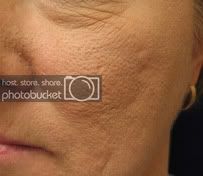 The pores you have are important to the health of your skin as they work to provide oil in order to keep your skin soft, hydrated, and supple. Not that you want to be reminded of them each time you look at yourself in the mirror, especially if you have large, visible pores that you hate to look at. Your pores can appear larger when they are clogged with oil and dirt or bacteria, so it is important to keep your skin clean and use the right products to keep your pores from getting clogged in the first place.
 What is Melasma?
Melasma is a skin disorder which can affect both men and women; however it is more common for women to have the condition. It is often seen on women during pregnancy and is sometimes called the “mask of pregnancy”. It appears on the face as a skin rash which is darker in color than the rest of the skin and has irregular borders. Melasma usually looks like a symmetrical pattern on the cheeks, nose, lips, and/or forehead. It may also appear on the upper arms. The skin darkening can be greatly varied in color.
Melasma has been seen in all ethnicities and cultures but it is much more common in Arabs, Hispanics, Asians and North Africans or in those who have higher levels of melanin in their skin. People with fair skin may also experience melasma, albeit a lighter shade which is not always easy to spot.
Alternatives to Laser Skin Resurfacing
What is Melasma?
Melasma is a skin disorder which can affect both men and women; however it is more common for women to have the condition. It is often seen on women during pregnancy and is sometimes called the “mask of pregnancy”. It appears on the face as a skin rash which is darker in color than the rest of the skin and has irregular borders. Melasma usually looks like a symmetrical pattern on the cheeks, nose, lips, and/or forehead. It may also appear on the upper arms. The skin darkening can be greatly varied in color.
Melasma has been seen in all ethnicities and cultures but it is much more common in Arabs, Hispanics, Asians and North Africans or in those who have higher levels of melanin in their skin. People with fair skin may also experience melasma, albeit a lighter shade which is not always easy to spot.
Alternatives to Laser Skin Resurfacing


